Wasps and Hornets in the Garden in Warsaw — When to Call a Specialist, and When to Wait
How to assess nest size and the real level of danger in Warsaw and the surrounding area, before deciding to remove it yourself.
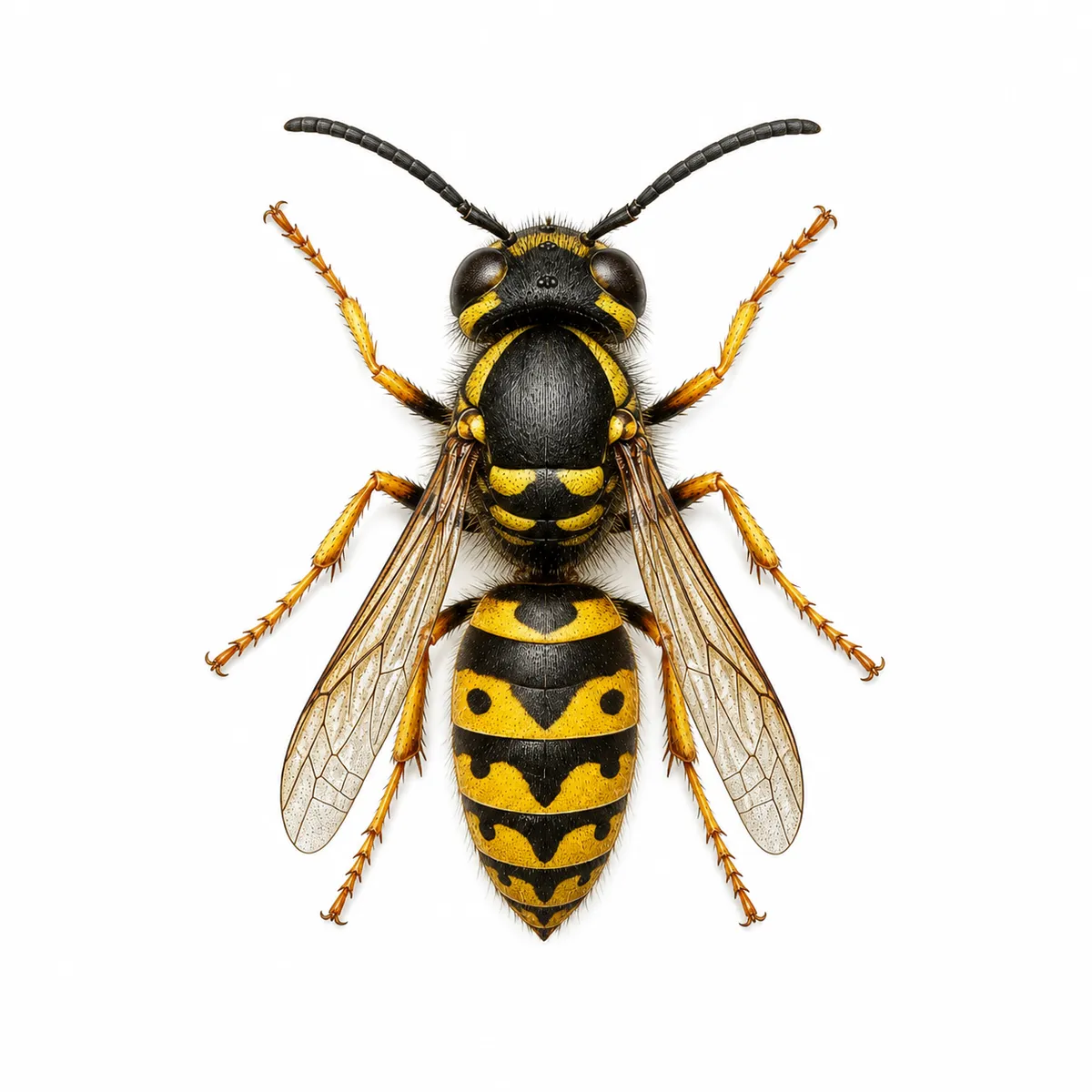
Why can wasps be a danger?
How to assess nest size and the real level of danger before deciding to remove it yourself — a question worth asking before it's too late.
Painful, repeated stings
Unlike bees, a wasp can sting multiple times.
Risk of allergic reaction
In allergic individuals, a sting can trigger dangerous anaphylactic shock.
Aggressive when defending the nest
Disturbed wasps attack as a swarm, defending their territory.
Nests grow quickly
In summer, a colony can number even several thousand insects.
How to recognise a wasp nest
Watch out for the following signs:
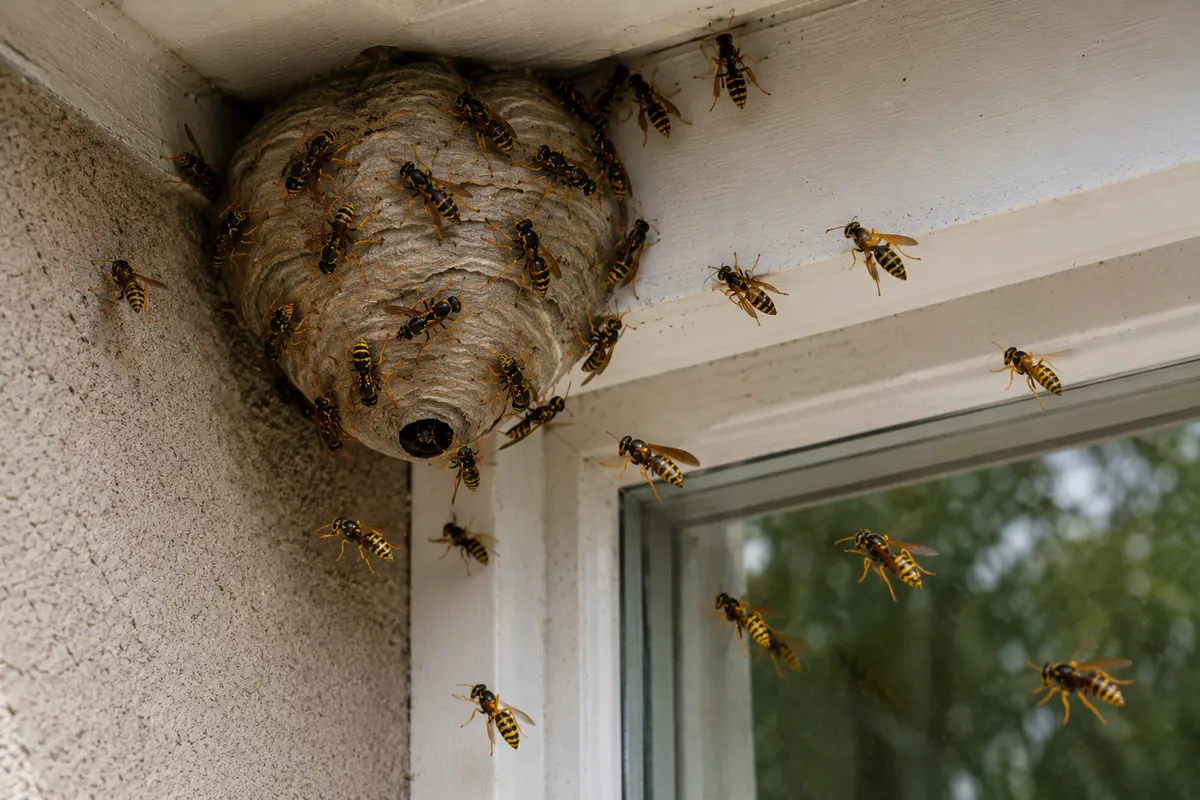
- A characteristic, paper-like nest structure under a roof, in a gazebo or in the attic
- Increased wasp traffic flying in and out of one spot
- A quiet, characteristic buzzing sound coming from inside the nest
- A nest visible in the ground — with some wasp species
- Increased activity near food or sweet drinks outdoors
When to call a specialist, and when to wait?
It depends on several factors — here's how to assess them:
Small nest, far from the house
You can consider just monitoring it, if it doesn't interfere with everyday use of the area.
Nest near an entrance or terrace
Requires a fast response due to the risk of frequent contact.
Allergic individuals at home
Any nest in this situation should be removed professionally.
Large or hard-to-reach nest
Removing it yourself risks multiple stings — specialist equipment is needed.
Guarantee on the treatment
- Wasp or hornet nest removal carries no guarantee
See the treatment results
Drag the slider to see the difference before and after a professional treatment:
How much does wasp or hornet nest removal cost?
The price depends on how hard it is to reach the nest. 10% discount with the password “BLACK”, for regular customers and for referrals — mention it when booking, not on site.
Travel within Warsaw and the sanitary hygiene report are included; travel outside Warsaw: 3 zł/km, minimum 100 zł.
Nest removal — easy access
No guarantee
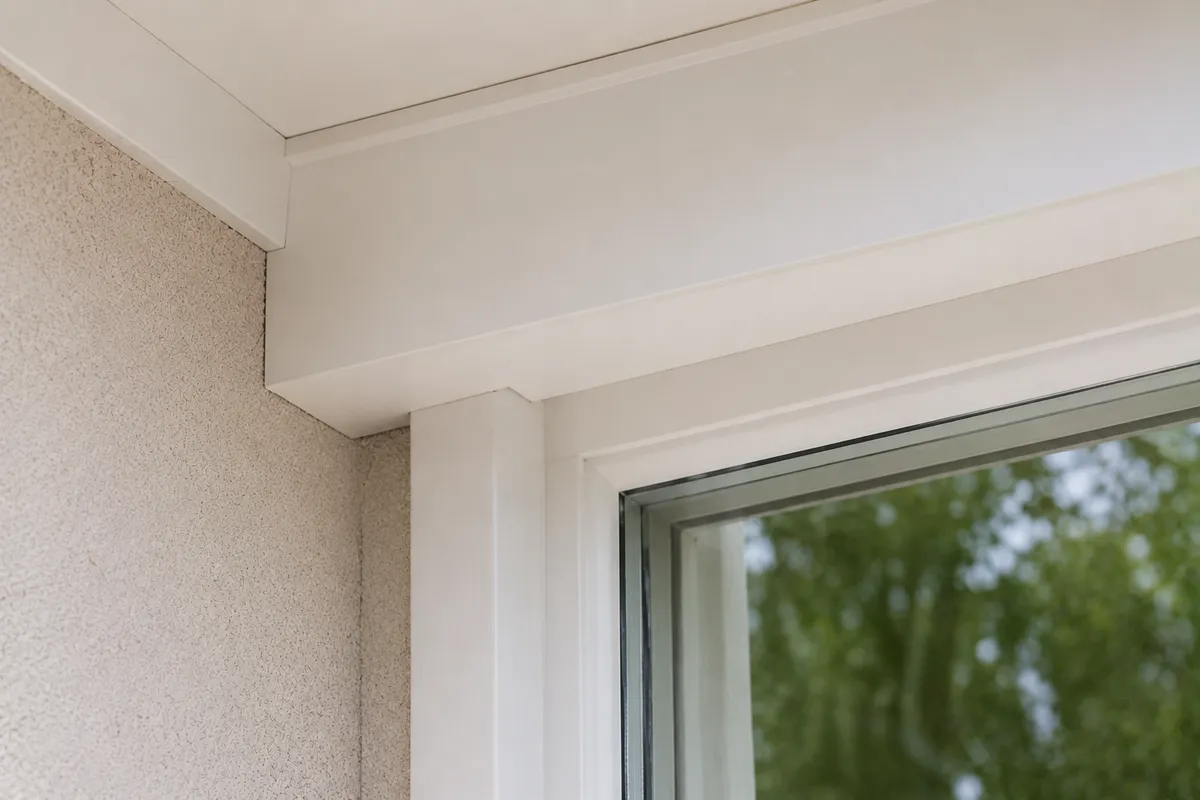
A nest within arm's reach or reachable with a standard ladder — under a windowsill, in a gazebo, in a hedge.
from 250 zł
Nest removal — difficult access
No guarantee
A nest high under the roof, in a treetop or on a façade — requires a long ladder or rope-access techniques.
from 300 zł
Did you know...?
How fast does the danger grow in summer?
0–8 weeks
is enough for a small spring nest to reach peak activity and size by midsummer.
How to prepare for nest removal?
For the removal to go safely and smoothly, follow these tips:
Keep a safe distance
Don't provoke wasps with noise or sudden movements before the technician's visit.
Mention any allergies in the household
This helps choose the right precautions for the treatment.
Point out the exact nest location
This makes the removal faster and safer.
Schedule the treatment for early morning or evening
Wasps are less active then, which increases the treatment's safety.
Wasp or hornet? How to tell them apart
These two insects are often confused, though they differ in appearance and level of danger:
| Common wasp | Hornet | |
|---|---|---|
| Appearance | Yellow-black stripes, about 1.2–1.7 cm | Larger, up to 3.5 cm, red-brown-yellow colouring |
| Level of aggression | Defends the nest, but attacks without reason less often | Usually less aggressive than wasps, despite its intimidating look |
| Venom strength | Painful, but a standard sting | A stronger dose of venom, a more painful sting |
| Nesting location | Attics, gazebos, cracks in walls | Tree hollows, letterboxes, sheltered spaces |
Wasp and hornet nest removal across all of Warsaw
We remove wasp and hornet nests across every district of Warsaw — in Wilanów, Ursynów, Białołęka, Wawer and Bielany, where plots and gardens favour nest-building — as well as towns near Warsaw, such as Konstancin-Jeziorna, Otwock or Piaseczno.
Why choose us?
25 years of experience
Hundreds of successfully completed treatments.
Safe methods
Products safe for people and pets.
Effectiveness guarantee
We guarantee the services we carry out.
Fast response
We act quickly across all of Warsaw.
Discretion
We work discreetly and professionally.
Frequently asked questions
We don't recommend it — removing it yourself risks multiple stings, especially with larger nests. A professional treatment is faster and safer.