Grain Weevils in Kitchen Cupboards in Warsaw — How to Find and Remove Them
Small brown beetles in your groats or flour are a sign it's worth checking the whole cupboard — a guide for Warsaw residents.
Why are grain weevils a problem in the kitchen?
Small brown beetles in your groats or flour are a sign it's worth thoroughly checking the contents of your kitchen cupboard.
Contaminate food products
They feed in groats, flour, cereal flakes and other loose products.
Hard to notice in time
Their small size makes it easy to miss the first signs of infestation.
Spread quickly between products
From one infested package they can colonise an entire cupboard.
Can trigger allergic reactions
Larvae and shed skins can be an allergen for sensitive people.
How to recognise grain weevils
Watch out for the following signs:
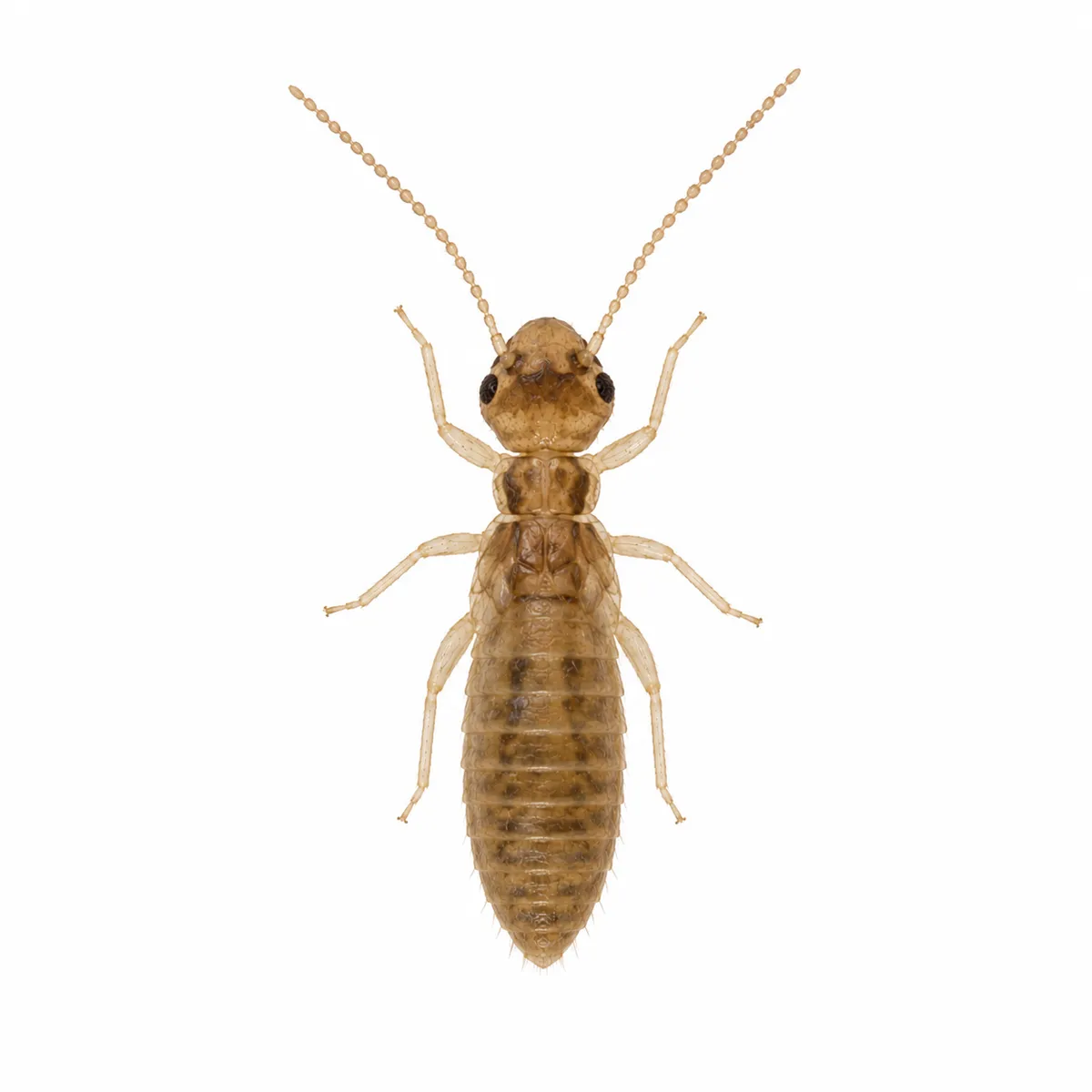
- Small, brown beetles visible in groats, flour or cereal flakes
- Small holes or clumps in loose product packaging
- An unusual, musty smell in the kitchen cupboard
- Whitish larvae or shed skins among stored food
- Insects wandering across worktops near food cupboards
How we deal with grain weevils — methods that work
We match the method to the scale of the problem:
Removing infested products
We eliminate the food source, breaking the development cycle.
Disinfecting cupboards
Thorough cleaning of the spots where eggs and larvae occur.
Sprays in cracks
We reach the spots ordinary cleaning can't.
Preventive protection
Recommendations for storing food going forward.
Guarantee on the treatment
- Spray or ULV fogging — guarantee up to 3 months after the first treatment
See the treatment results
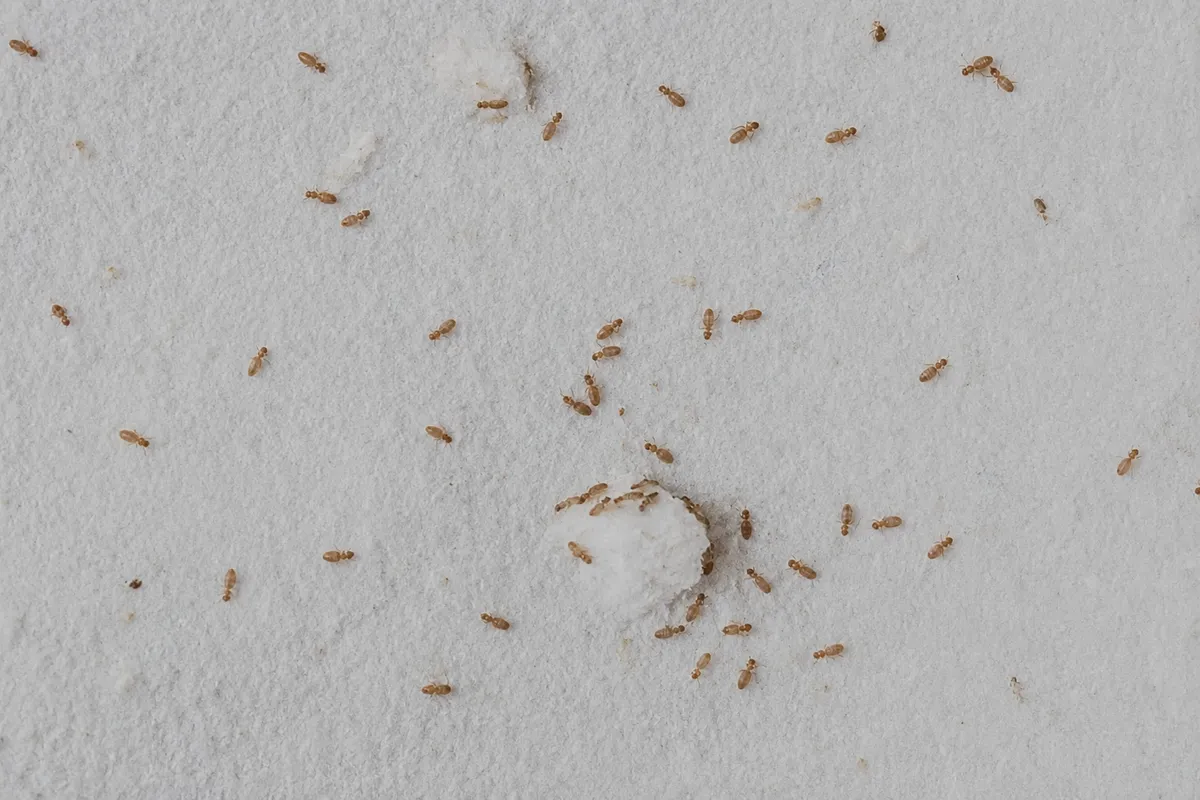
Drag the slider to see the difference before and after a professional treatment:

How much does grain weevil treatment cost?
The price depends on the method and the size of the property (KŁP = kitchen, bathroom, hallway). 10% discount with the password “BLACK”, for regular customers and for referrals — mention it when booking, not on site.
Travel within Warsaw and the sanitary hygiene report are included; travel outside Warsaw: 3 zł/km, minimum 100 zł.
Pressure spraying
Most popular choice
Guarantee up to 3 months after the 1st treatment
Precise application of insecticide directly where the insects live — crevices, skirting boards and hidden corners. The technician may change the guarantee terms on site, e.g. for a very advanced infestation.
from 300 zł
for KŁP
ULV fogging
Most effective
Guarantee up to 3 months after the 1st treatment
Dispersal of the product as a microscopic mist that reaches the smallest crevices. The technician may change the guarantee terms on site, e.g. for a very advanced infestation.
from 300 zł
for KŁP
Businesses and commercial premises
50% guarantee for up to 3 months
Hotels, hostels, schools, shops, houses and businesses — priced by floor area.
from 300 zł
up to 25 m²
Online consultation
Pest identification and specialist advice based on photos or a description of the problem.
from 100 zł
On-site consultation
Inspection, identification of the pest, and assessment of how far the infestation has spread. For large properties the quote is free or included in the consultation.
from 200 zł
Did you know...?
How fast does an infestation develop?
0–6 weeks
is the full development cycle of a grain weevil — from egg to an adult beetle ready to spread further.
How to prepare the kitchen for the treatment?
For the treatment to be fully effective, prepare your kitchen following our tips:
Throw out infested products
Seal them tightly and remove them from the flat.
Thoroughly wash the cupboards
Remove eggs and larvae from corners and cracks.
Store food in sealed containers
Limit access to potential food sources.
Check your supplies regularly
Early detection makes a quick response easier.
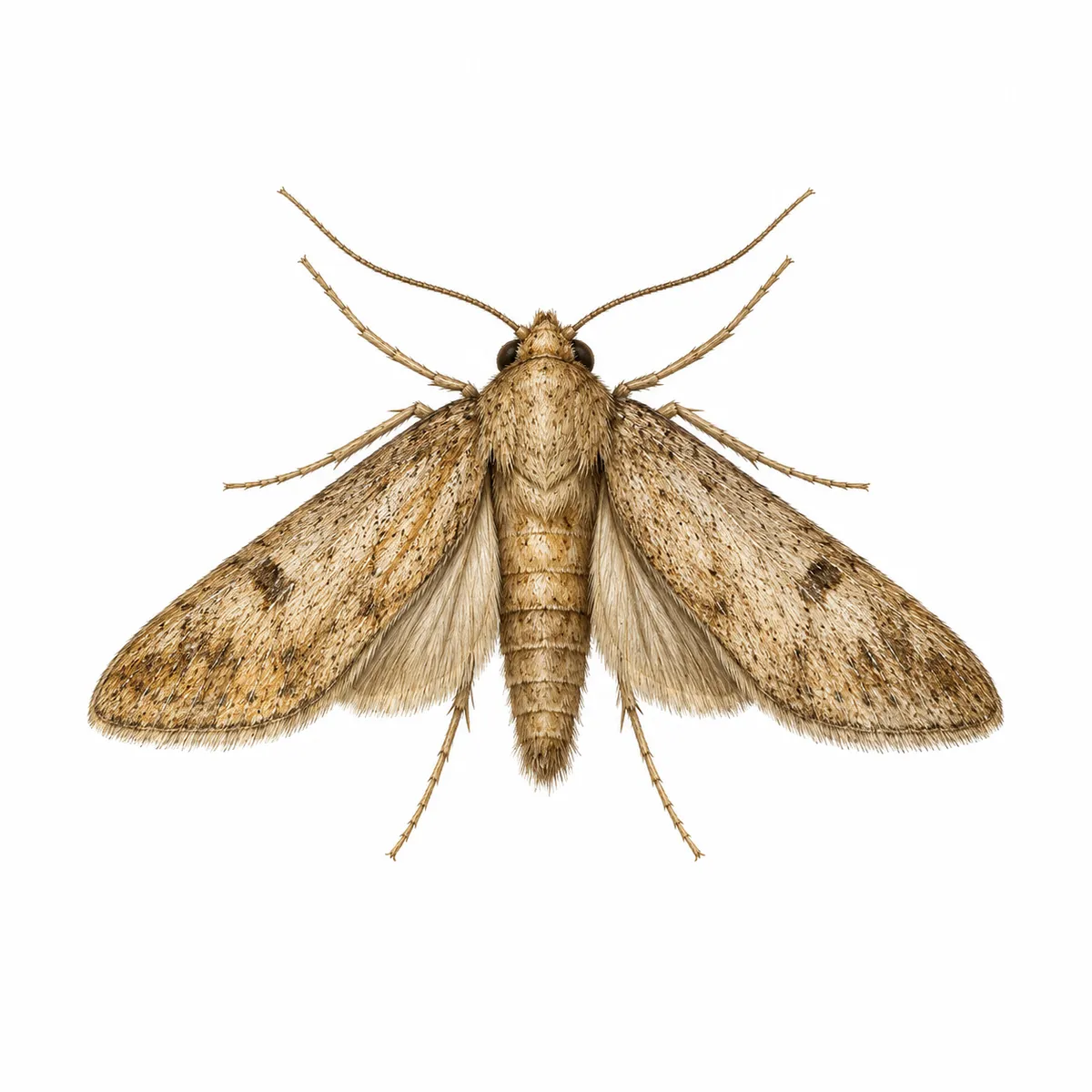
Grain weevil or food moth? How to tell them apart
These two pests are often confused, since they feed on the same products:
| Grain weevil | Food moth | |
|---|---|---|
| Appearance | Small, brown beetle, about 2–4 mm | A small moth with an 8–10 mm wingspan |
| Damaging life stage | Both larvae and adult beetles feed | Only the larvae cause damage |
| Marks on products | Small holes and clumps in grains | Thread-like webbing and clumps in flour |
| How it moves around | Walks, rarely flies | Flies, visible in the air in the evening |
Grain weevil control across all of Warsaw
We handle grain weevil callouts across every district of Warsaw — from Ochota and Wola, through Ursus and Bemowo, to Targówek and Rembertów — as well as towns near Warsaw, including Wołomin, Marki and Ząbki.
Why choose us?
25 years of experience
Hundreds of successfully completed treatments.
Safe methods
Products safe for people and pets.
Effectiveness guarantee
We guarantee the services we carry out.
Fast response
We act quickly across all of Warsaw.
Discretion
We work discreetly and professionally.
Frequently asked questions
Not always — it's enough to thoroughly check the packaging and remove anything with visible feeding marks. The rest is worth transferring into sealed containers.