Ticks on Your Plot and in the Garden in Warsaw — How to Reduce the Risk of a Bite
Tall grass and piles of leaves are ticks' favourite hiding spots — we look at how to reduce their numbers and what tick control looks like in Warsaw.
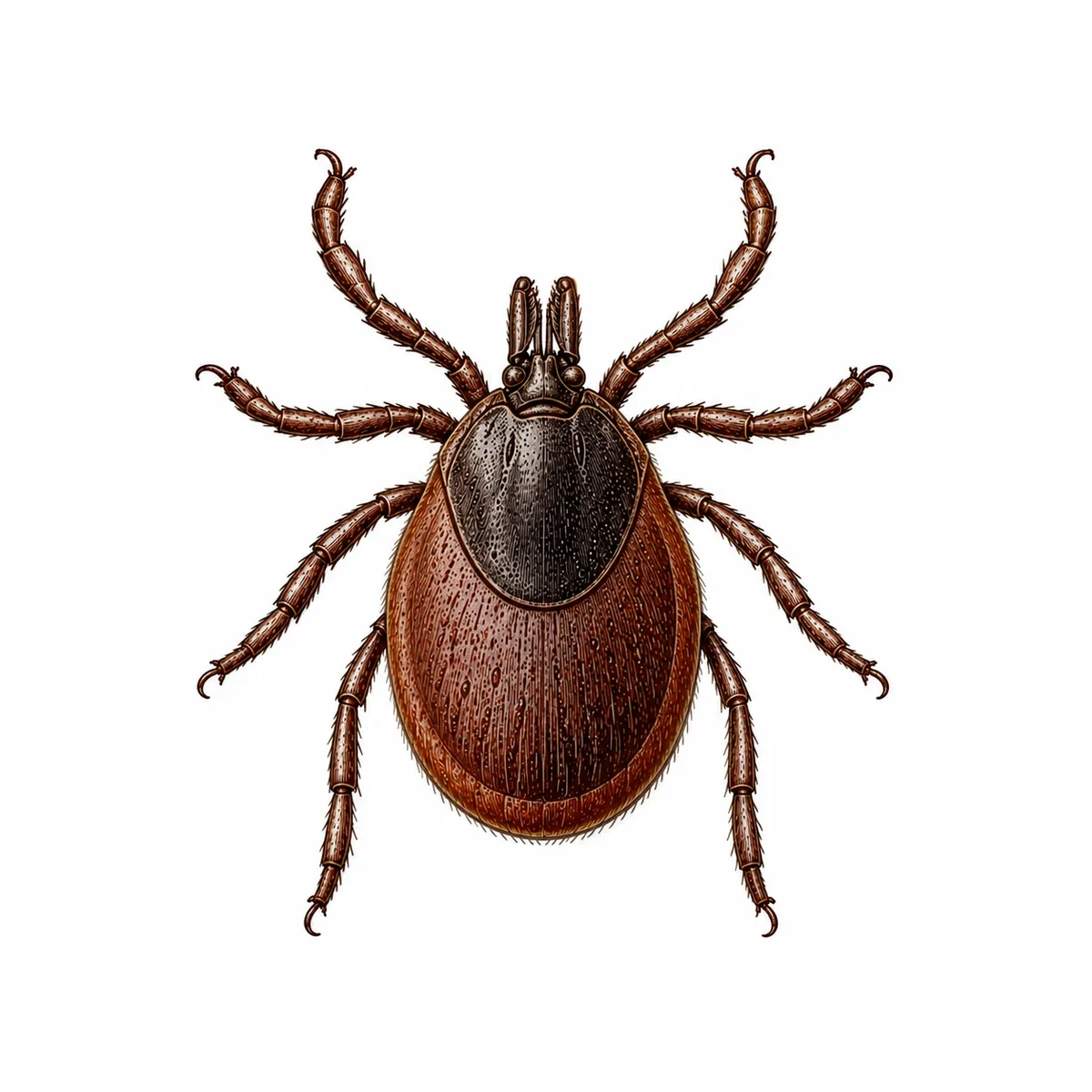
Why are ticks a serious problem?
Tall grass and piles of leaves are ticks' favourite hiding spots — and their bite can transmit serious diseases, not just cause skin irritation.
Transmit Lyme disease
The most common tick-borne disease in Poland, requiring prompt diagnosis.
Can transmit TBE
A rarer but serious viral disease transmitted by the bite.
Hard to notice
Their small size and painless bite make quick detection difficult.
Active from spring to autumn
The activity season lasts much longer than many people think.
How to recognise a tick bite
Watch out for the following signs:
- A visible, attached tick — often unnoticed for several hours
- Redness at the bite site, sometimes with a spreading rash
- Itching or slight skin irritation around the bite site
- Flu-like symptoms in the days after the bite — fever, muscle aches, fatigue
- Ticks noticed after returning from green areas or tall grass
How do we reduce the number of ticks on a property?
We match the method to the size and character of the property:
Acaricide sprays
Effectively reduce the tick population on lawns and in undergrowth.
Site inspection
We identify the highest-risk spots — tall grass, undergrowth, piles of leaves.
Maintenance recommendations
Regular mowing and tidying reduce natural habitats.
Seasonal treatments
Repeated in key months, they increase long-term effectiveness.
Guarantee on the treatment
- Tick treatment carries no guarantee — the product works until heavier rainfall washes it off the vegetation
See the treatment results
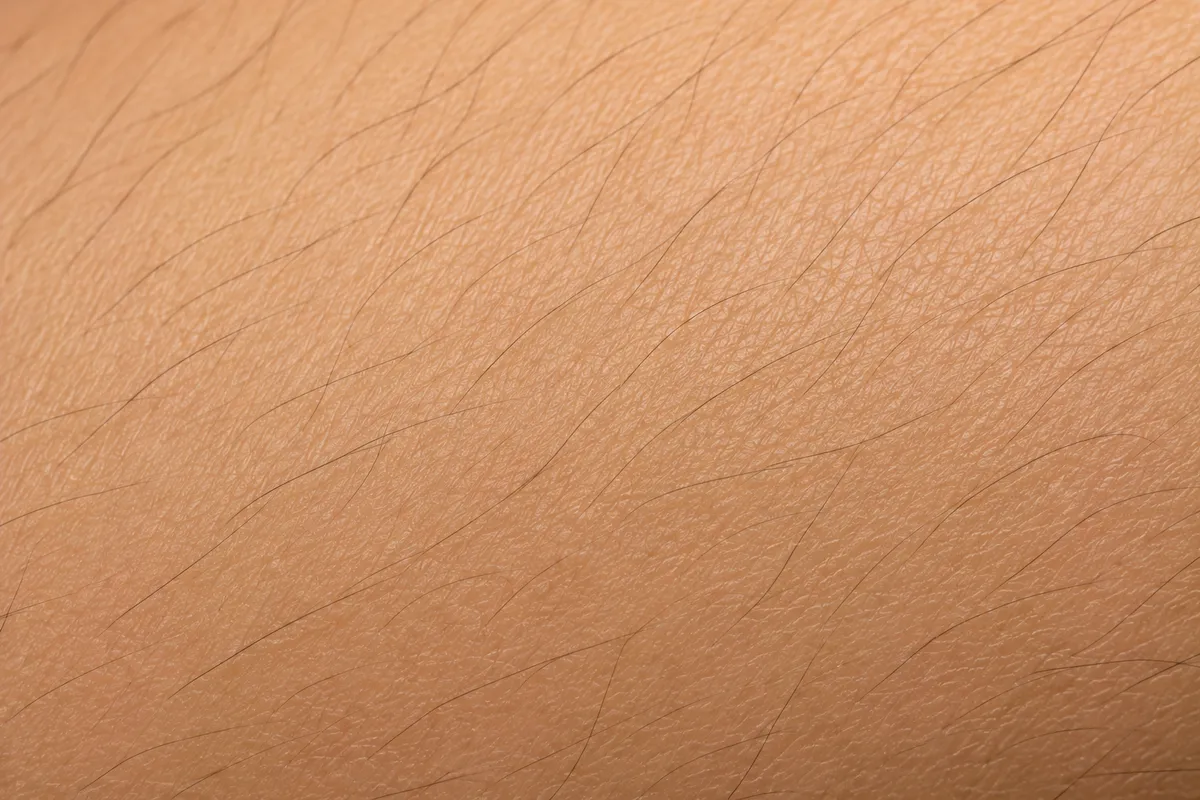
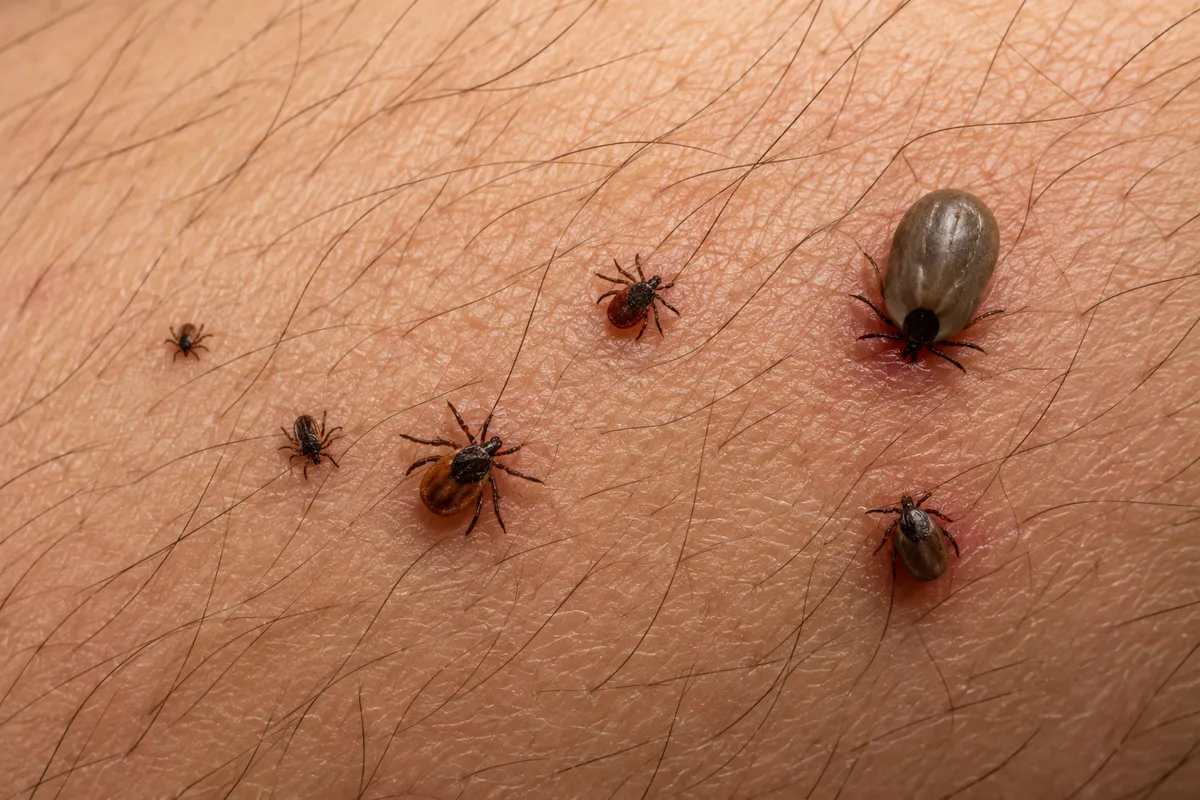
Drag the slider to see the difference before and after a professional treatment:
How much does tick treatment cost?
The price depends on the area. The product works until heavier rainfall washes it off the vegetation. 10% discount with the password “BLACK”, for regular customers and for referrals — mention it when booking, not on site.
Travel within Warsaw and the sanitary hygiene report are included; travel outside Warsaw: 3 zł/km, minimum 100 zł.
Acaricide sprays
No guarantee
Effectively reduce the tick population on lawns and in undergrowth. We apply the product to grass, shrubs and plot edges, where ticks wait for a host.
from 300 zł
up to 500 m²
Areas over 2000 m²
Parks, resorts, event grounds and large properties — price agreed individually.
Custom quote
Online consultation
Pest identification and specialist advice based on photos or a description of the problem.
from 100 zł
On-site consultation
Inspection, identification of the pest, and assessment of how far the infestation has spread. For large properties the quote is free or included in the consultation.
from 200 zł
Did you know...?
How long does the risk season last?
0 months
ticks can be active in Poland's climate, from March to November — much longer than most people think.
How to reduce the risk on your own plot?
To reduce the number of ticks, it's worth following a few simple rules:
Mow the lawn regularly
Ticks avoid short, sunny surfaces.
Remove piles of leaves and brushwood
These are ticks' favourite hiding spots in shade and damp.
Limit access for wild animals
Rodents and deer are common hosts that carry ticks onto the property.
Check your skin after time outdoors
A quick check increases the chance of removing a tick early.
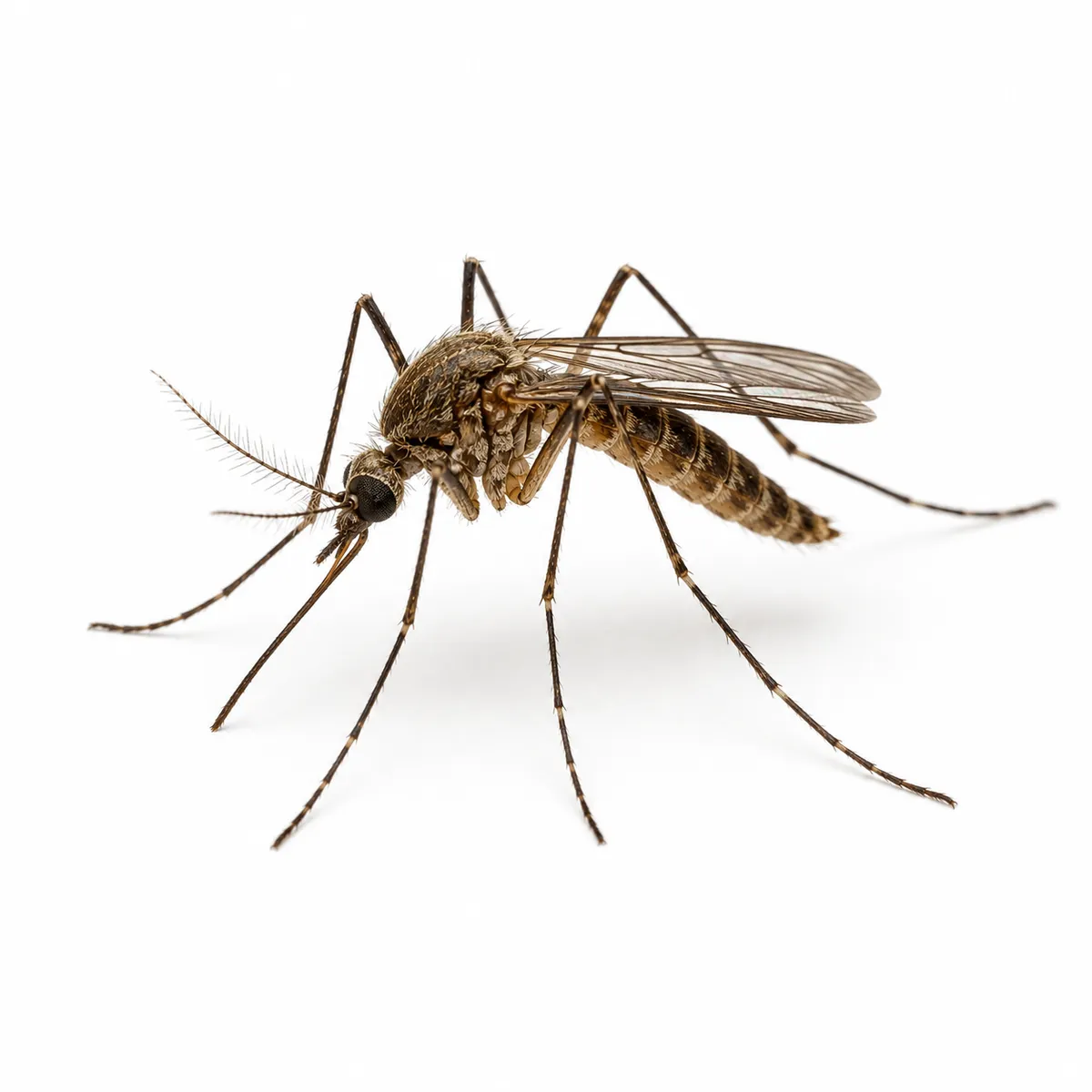
Tick bite or mosquito bite? How to tell them apart
Both bites can look similar at first glance, but carry different risks:
| Tick bite | Mosquito bite | |
|---|---|---|
| Appearance of the mark | Possible spreading rash, growing larger over time | A single itchy bump, disappearing after a few days |
| Presence of the insect | The tick often remains attached at the bite site | The mosquito flies away right after biting |
| Health risk | Possible tick-borne diseases (Lyme disease, TBE) | Usually just local skin irritation |
| Recommended action | Remove the tick and monitor the site for a few weeks | Soothe the itching, usually no further action needed |
Tick control across all of Warsaw
We carry out tick control treatments across every district of Warsaw with green areas and plots — Wilanów, Wawer, Białołęka and Ursynów — as well as towns near Warsaw, such as Konstancin-Jeziorna, Otwock or Grodzisk Mazowiecki.
Why choose us?
25 years of experience
Hundreds of successfully completed treatments.
Safe methods
Products safe for people and pets.
Effectiveness guarantee
We guarantee the services we carry out.
Fast response
We act quickly across all of Warsaw.
Discretion
We work discreetly and professionally.
Frequently asked questions
It's best to use a special tick removal tweezer or card, gripping it as close to the skin as possible and pulling straight out, without twisting. If in doubt, it's worth consulting a doctor.