Flies at Home and in Food Establishments in Warsaw — Where They Come From and How to Deal With Them
Flies aren't just annoying — they can also carry bacteria between waste and food. Find out what effective fly control looks like in Warsaw.
Why are flies a serious problem?
Flies aren't just annoying — by moving between waste and food, they can carry bacteria responsible for food poisoning.
Carry bacteria
They move between waste, sewage and food, spreading germs.
Contaminate food
They land on food products, leaving bacteria and eggs behind.
Multiply extremely fast
A female lays up to several hundred eggs within a few days.
Hard to eliminate at the source
Larvae develop in hard-to-reach places — waste, compost, gutters.
How to recognise a fly problem
Watch out for the following signs:
- An increased number of adult flies visible in the kitchen or near windows
- Small, white larvae (maggots) in waste containers or compost
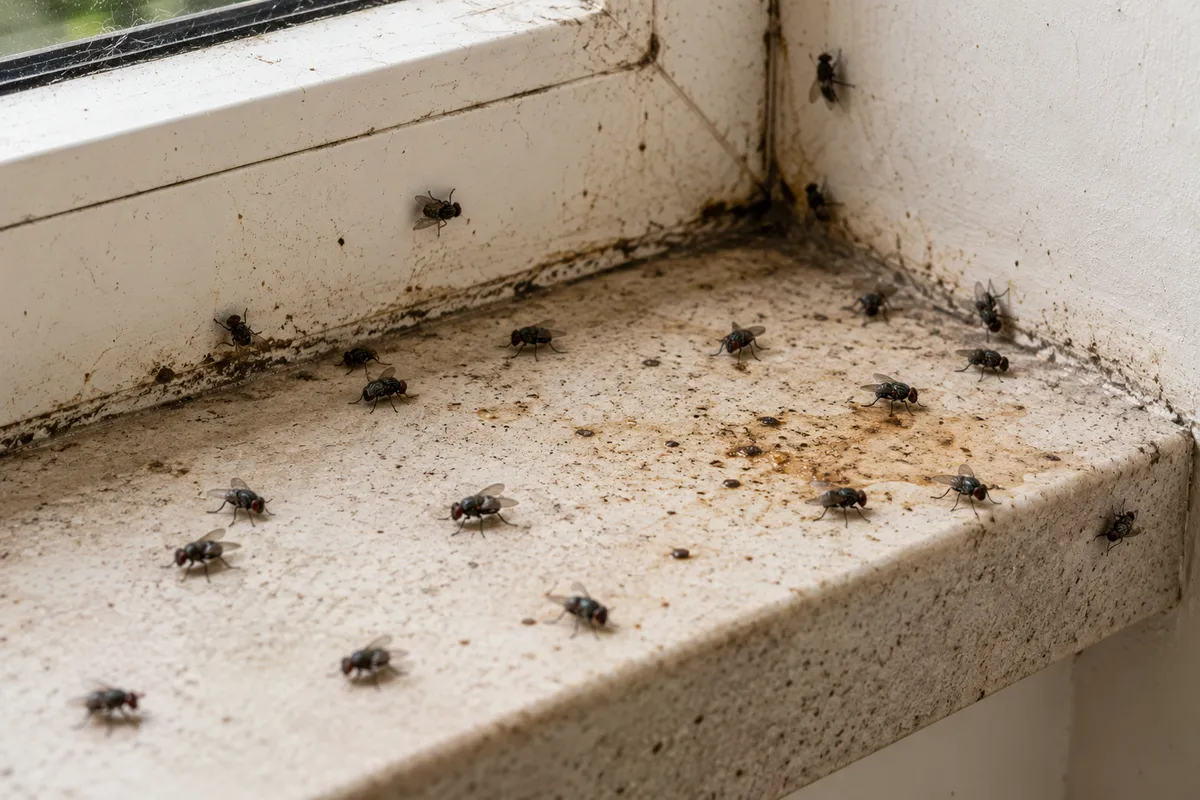
- Dark specks (fly droppings) on windowsills, lamps or the ceiling
- Increased activity near bins, drains or food scraps
- Buzzing and repeatedly landing on food despite attempts to shoo them away
How we deal with flies — methods that work
We match the method to the type of facility and the scale of the problem:
Insect-killer lamps
Effectively catch adult flies in food establishments and homes.
Sprays and ULV fogging
Quickly reduce the adult fly population in rooms.
Eliminating breeding sites
We remove the sources where larvae develop — key for a lasting result.
Securing entry points
Fly screens and seals reduce the influx of flies from outside.
Guarantee on the treatment
- Spray or ULV fogging — guarantee up to 3 months after the first treatment
See the treatment results
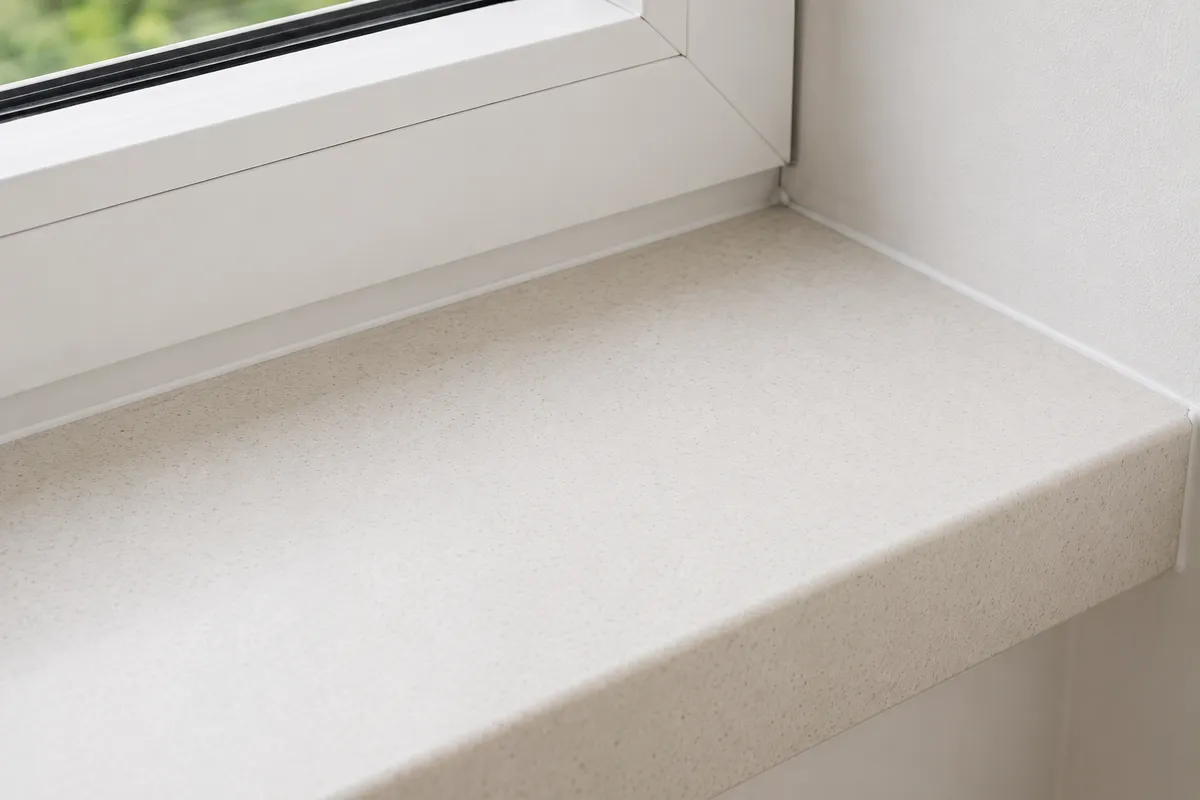
Drag the slider to see the difference before and after a professional treatment:
How much does fly control cost?
The price depends on the method and the size of the property (KŁP = kitchen, bathroom, hallway). 10% discount with the password “BLACK”, for regular customers and for referrals — mention it when booking, not on site.
Travel within Warsaw and the sanitary hygiene report are included; travel outside Warsaw: 3 zł/km, minimum 100 zł.
Pressure spraying
Most popular choice
Guarantee up to 3 months after the 1st treatment
Precise application of insecticide directly where the insects live — crevices, skirting boards and hidden corners. The technician may change the guarantee terms on site, e.g. for a very advanced infestation.
from 300 zł
for KŁP
ULV fogging
Most effective
Guarantee up to 3 months after the 1st treatment
Dispersal of the product as a microscopic mist that reaches the smallest crevices. The technician may change the guarantee terms on site, e.g. for a very advanced infestation.
from 300 zł
for KŁP
Businesses and commercial premises
50% guarantee for up to 3 months
Hotels, hostels, schools, shops, houses and businesses — priced by floor area.
from 300 zł
up to 25 m²
Online consultation
Pest identification and specialist advice based on photos or a description of the problem.
from 100 zł
On-site consultation
Inspection, identification of the pest, and assessment of how far the infestation has spread. For large properties the quote is free or included in the consultation.
from 200 zł
Did you know...?
How fast does the problem grow?
0–10 days
is the full development cycle of a house fly — from egg to adult, flying insect.
How to prepare the premises for the treatment?
For the treatment to be fully effective, prepare the premises following our tips:
Seal waste containers tightly
Limit access to the main source of larval development.
Wipe down surfaces after eating
Remove leftovers that attract adult flies.
Check windows and doors are sealed
This makes it easier to fit fly screens and seals.
Empty out standing water
Stagnant water favours the development of certain fly species.
Schedule the treatment outside opening hours
In food establishments, this minimises downtime.
House fly or fruit fly? How to tell them apart
These two insects call for a completely different approach — here's how to tell them apart:
| House fly | Fruit fly | |
|---|---|---|
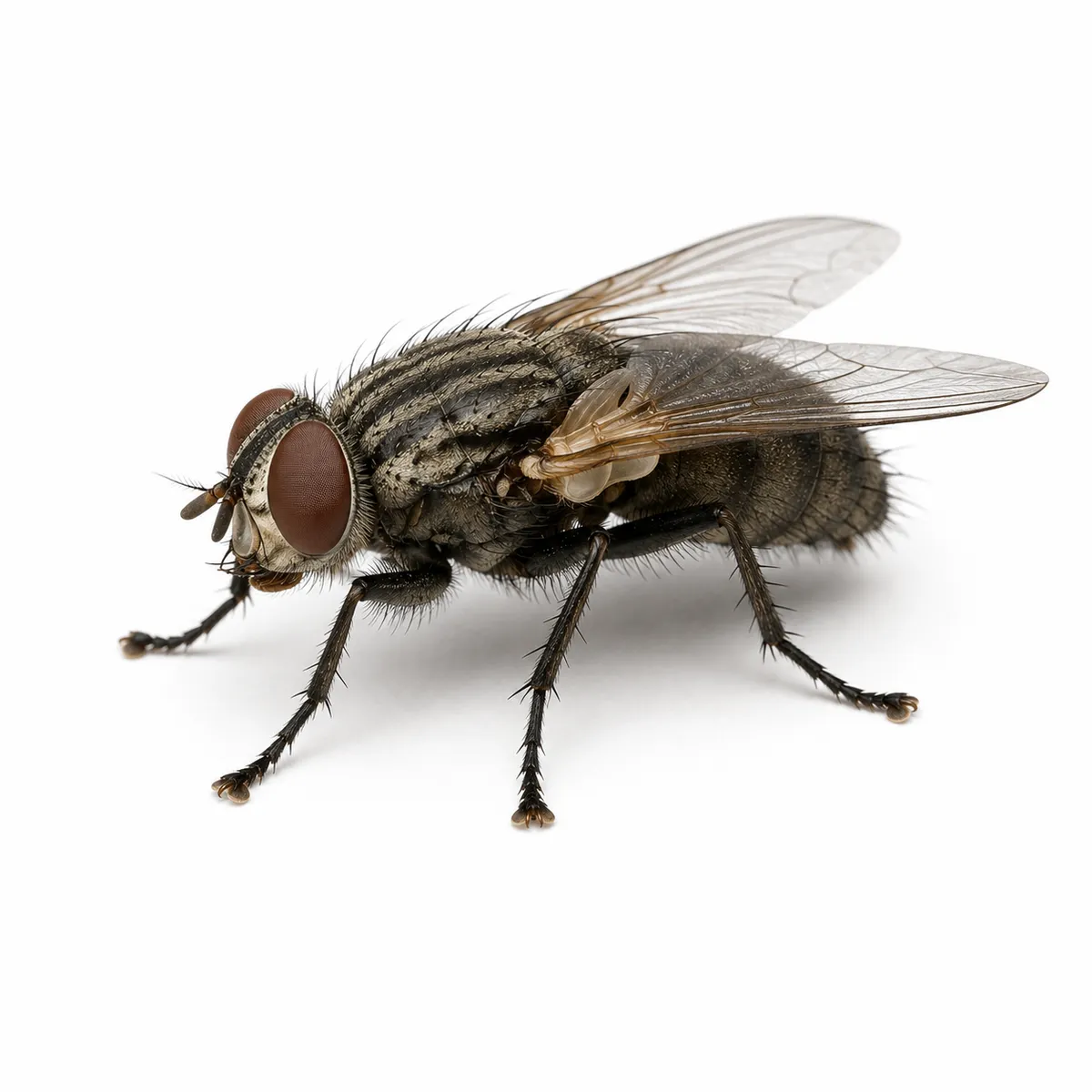
| Appearance | Grey, 6–8 mm, distinct wings | Brownish-yellow, about 2–3 mm, very small |
| Where it feeds | Waste, meat, food scraps | Ripe fruit, vegetables, drink residue |
| Where larvae develop | Bins, compost, animal droppings | Fermenting fruit, sink traps, drains |
| Effective method | Insect-killer lamps, removing waste | Removing ripe fruit, cleaning drains |
Fly control across all of Warsaw
We handle flats, houses and food establishments across every district of Warsaw — from Śródmieście and Wola, through Mokotów and Praga Południe, to Ursynów and Bielany — as well as towns near Warsaw, including Piaseczno, Pruszków and Legionowo.
Why choose us?
25 years of experience
Hundreds of successfully completed treatments.
Safe methods
Products safe for people and pets.
Effectiveness guarantee
We guarantee the services we carry out.
Fast response
We act quickly across all of Warsaw.
Discretion
We work discreetly and professionally.
Frequently asked questions
They can get in through the smallest cracks, ventilation, or develop from eggs previously laid in waste or plant pots.