Autumn Rodent Control: Why Rodents Look for Shelter Then
The seasonal rise in call-outs, and how to prepare a property before rodents settle in.
Why are rodents a serious problem?
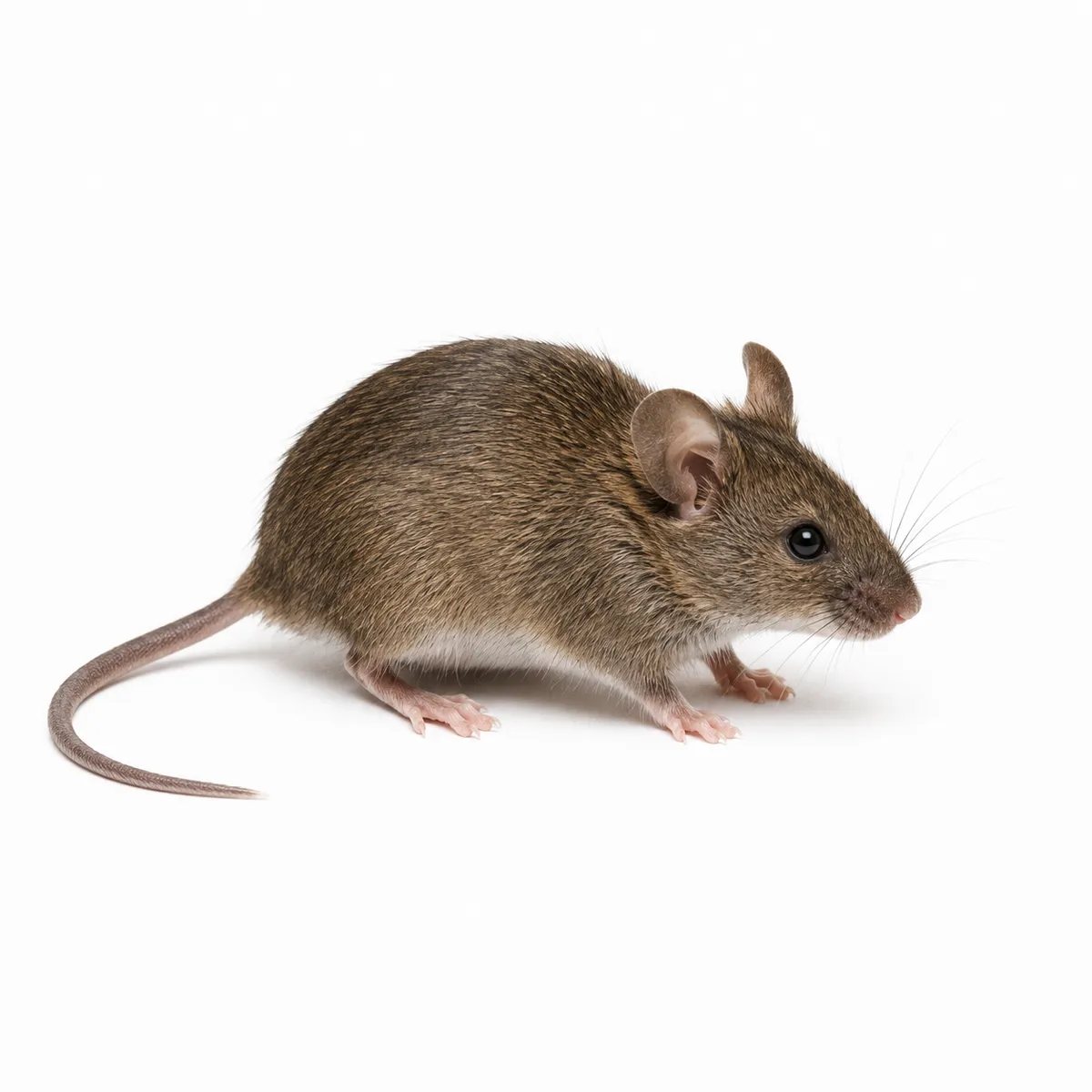
As temperatures drop in autumn, rats and mice look for warm shelters with access to food — residential and utility buildings become a natural target for them.
Carry diseases and parasites
Can be carriers of bacteria dangerous to people and animals.
Damage installations
Gnaw through cables, pipes and insulation, increasing the risk of faults and fire.
Contaminate food
Rodent droppings and fur contaminate food products.
Multiply fast
A single pair can give rise to dozens of offspring within a year.
How to recognise the presence of rodents
Watch out for the following signs:
- Small, black droppings near cupboards, skirting boards or in wardrobes
- Gnaw marks on food packaging, cables or furniture
- A distinctive, sharp ammonia smell in closed rooms
- Sounds of running or scratching in walls, especially at night
- Worn, greasy marks along walls — trails rodents use to move around
How do we deal with rodents? Methods that work
We match the method to the scale of the problem and the type of property:
Rodent control stations
Safe for household members, effective for long-term monitoring.
Mechanical traps
Fast elimination for smaller, localised problems.
Sealing entry points
We block the cracks and openings rodents use to get into the building.
Monitoring and inspection
Regular checks prevent recolonisation.
Guarantee on rodent control
Rodent control isn't guaranteed — the rodent population can migrate from neighbouring properties regardless of how well the treatment was carried out. For a lasting effect, we recommend recurring visits every 3–6 months, especially at higher-risk facilities (basements, warehouses, food establishments).
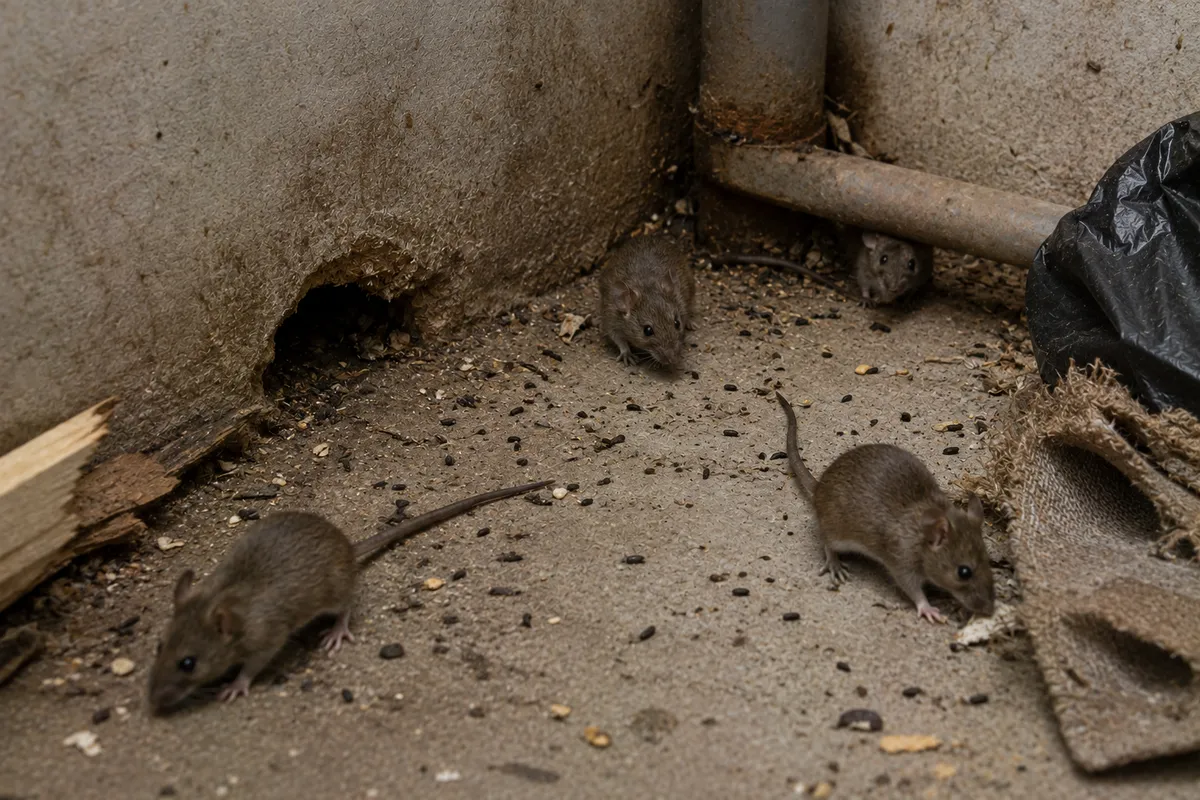
See the treatment results — mice
Drag the slider to see the difference before and after a professional treatment:
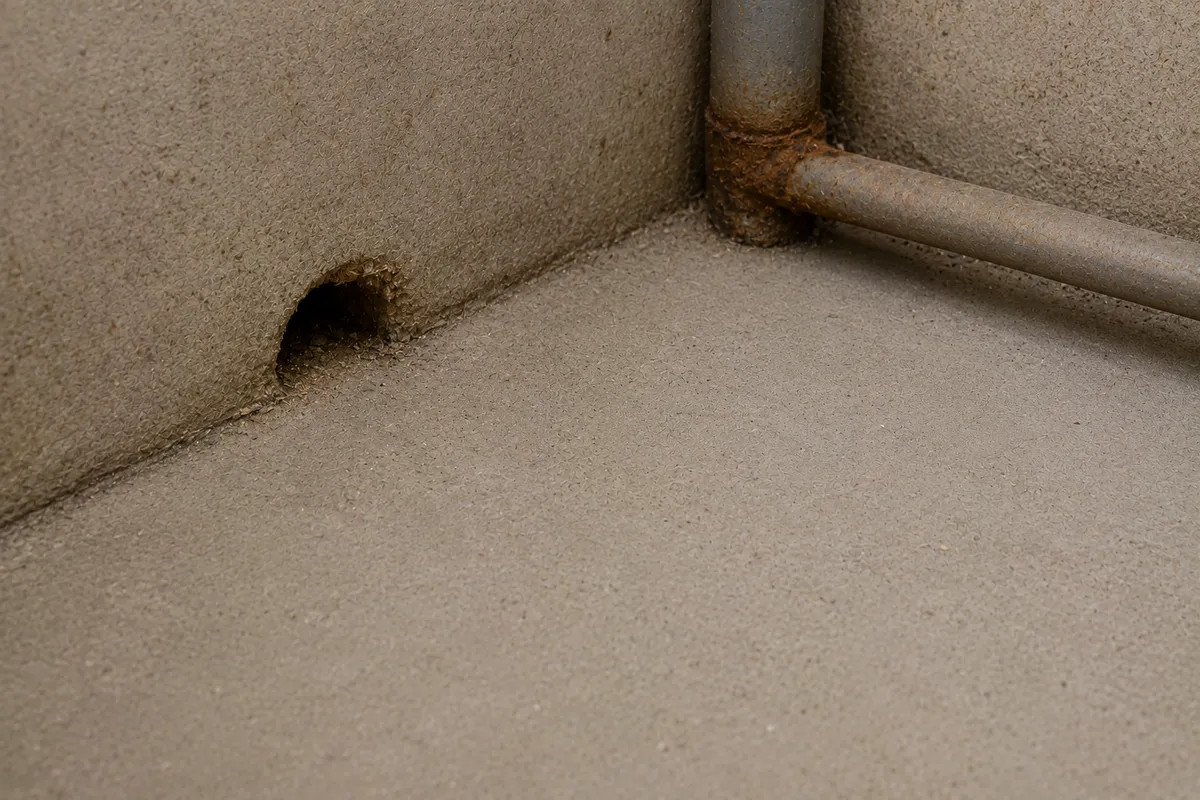
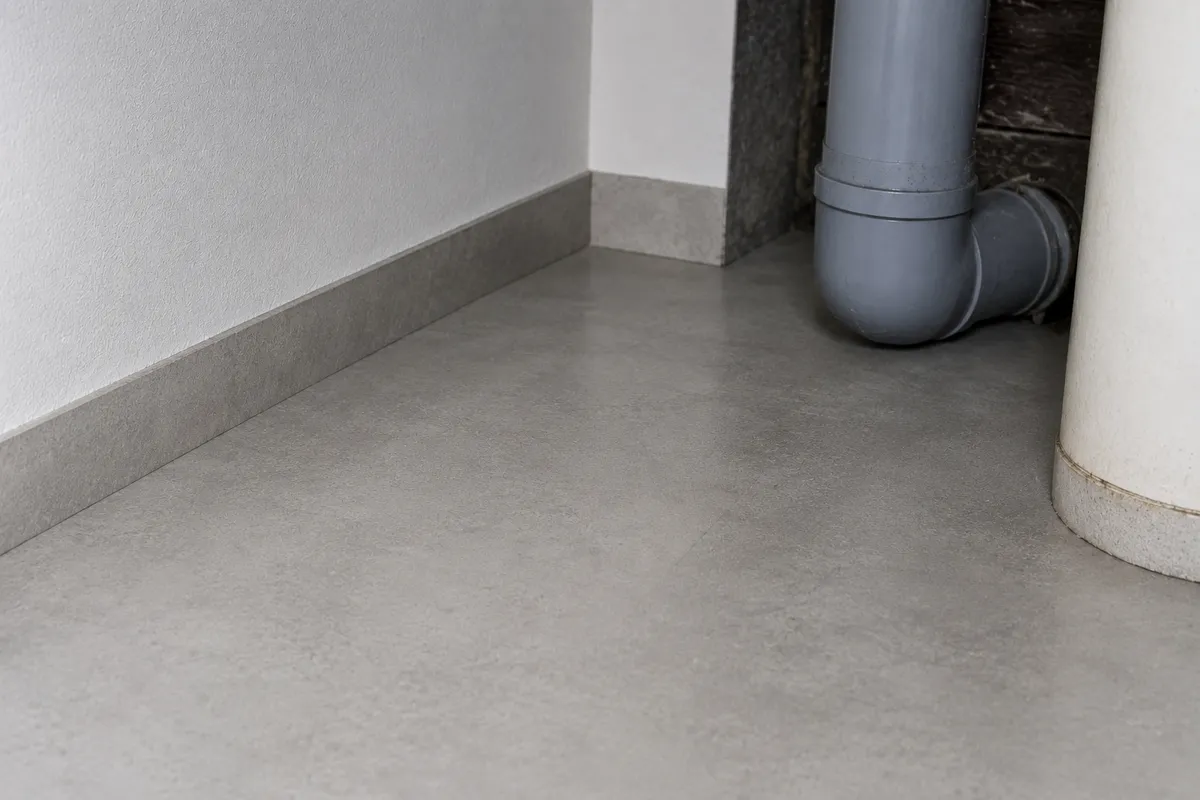
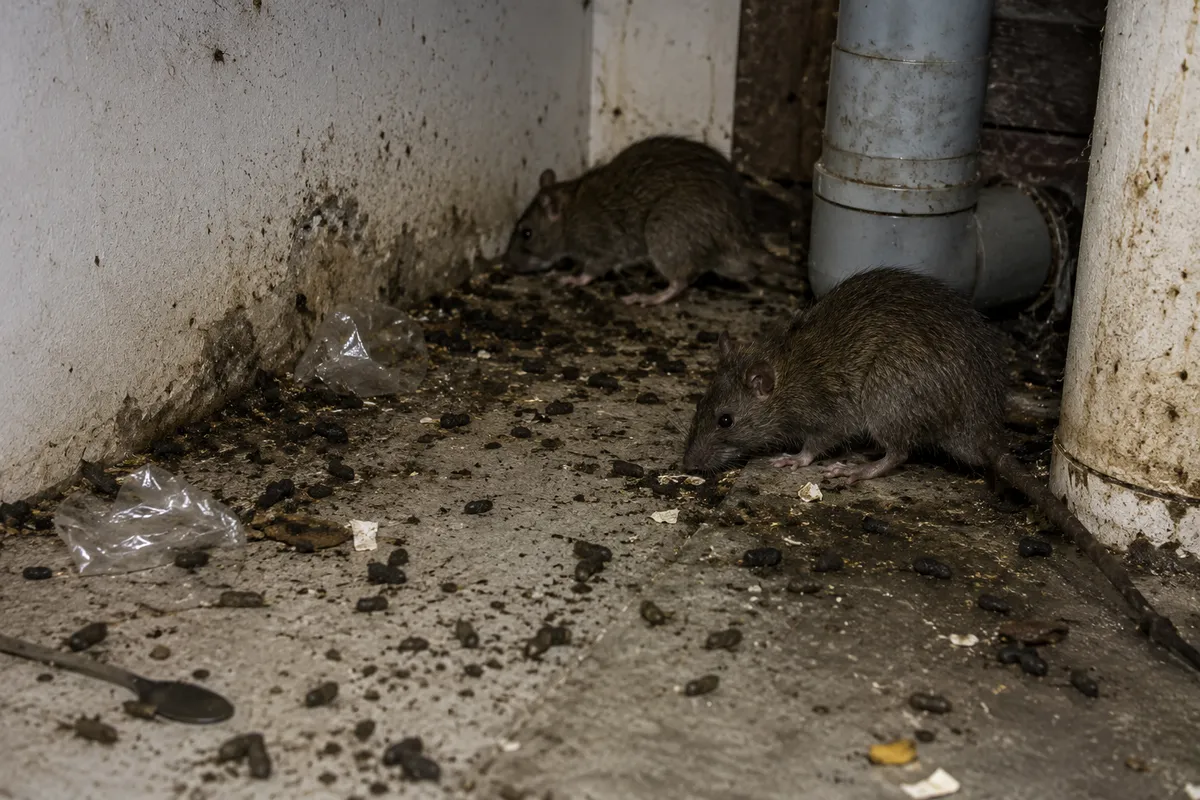
See the treatment results — rats
Drag the slider to see the difference before and after a professional treatment:
How much does rodent control cost?
Rodent control carries no guarantee, but for another service within 90 days of the treatment we can give a 25–50% discount. Minimum service value: 360 zł. 10% discount with the password “BLACK”, for regular customers and for referrals — mention it when booking, not on site.
Travel within Warsaw and the sanitary hygiene report are included; travel outside Warsaw: 3 zł/km, minimum 100 zł.
Cardboard bait stations
Most popular choice
No guarantee — 25–50% off another service within 90 days
Bait stations with rodenticide placed where rodents are active.
from 30 zł
per unit · min. 360 zł
Plastic bait stations
Safest
No guarantee — 25–50% off another service within 90 days
Durable, lockable bait stations.
from 60 zł
per unit
Mouse trap or Hidden Kill trap
Poison-free
No guarantee — 25–50% off another service within 90 days
Mechanical traps without poison — for places where rodenticide bait can't be used.
from 30 zł
per unit
Rat trap
Poison-free
No guarantee — 25–50% off another service within 90 days
A mechanical trap without poison — for places where rodenticide bait can't be used.
from 50 zł
per unit
Bait station servicing
No guarantee — 25–50% off another service within 90 days
Replacing the bait with fresh bait, refilling the stations and removing debris such as leaves — included.
from 30 zł
per unit · min. 360 zł
Businesses and housing communities
No guarantee — 25–50% off another service within 90 days
Bait points (cardboard stations or refills). The sanitary hygiene report is free.
from 30 zł
per bait point
Online consultation
Pest identification and specialist advice based on photos or a description of the problem.
from 100 zł
On-site consultation
Inspection, identification of the pest, and assessment of how far the infestation has spread. For large properties the quote is free or included in the consultation.
from 200 zł
Did you know...?
How fast does the population grow?
0 weeks
is enough for a pair of mice's offspring to start reproducing themselves, accelerating population growth geometrically.
How to prepare the property for rodent control?
For the treatment to be fully effective, prepare the property following our tips:
Remove accessible food scraps
Limit the food sources that attract rodents.
Seal visible cracks
Make it harder to access the inside of the building.
Tidy up cluttered corners
Make it easier for the technician to access potential hiding places.
Secure your pets
For the duration of setting up traps and rodent control stations.
Don't remove the stations after the treatment
Let the products work as recommended by the technician.
Rat or mouse? How to tell them apart
The type of rodent affects the choice of method — here's how to tell them apart:
| House mouse | Brown rat | |
|---|---|---|
| Appearance | Greyish-brown, 7–10 cm body length | Greyish-brown, 20–27 cm body length |
| Droppings | Small, about 3–6 mm, pointed at the ends | Large, about 12–20 mm, with rounded ends |
| Behaviour | Curious, quickly explores new places | Cautious, avoids open spaces and new objects |
| Preferred locations | Building interiors, cabinets, partition walls | Basements, sewers, outdoor areas near water |
Why choose us?
25 years of experience
Hundreds of successfully completed treatments.
Safe methods
Products safe for people and pets.
Effectiveness guarantee
We guarantee the services we carry out.
Fast response
We act quickly across all of Warsaw.
Discretion
We work discreetly and professionally.
Frequently asked questions
Yes — if conditions are favourable (access to food and shelter), a single pair can quickly give rise to a large population.